


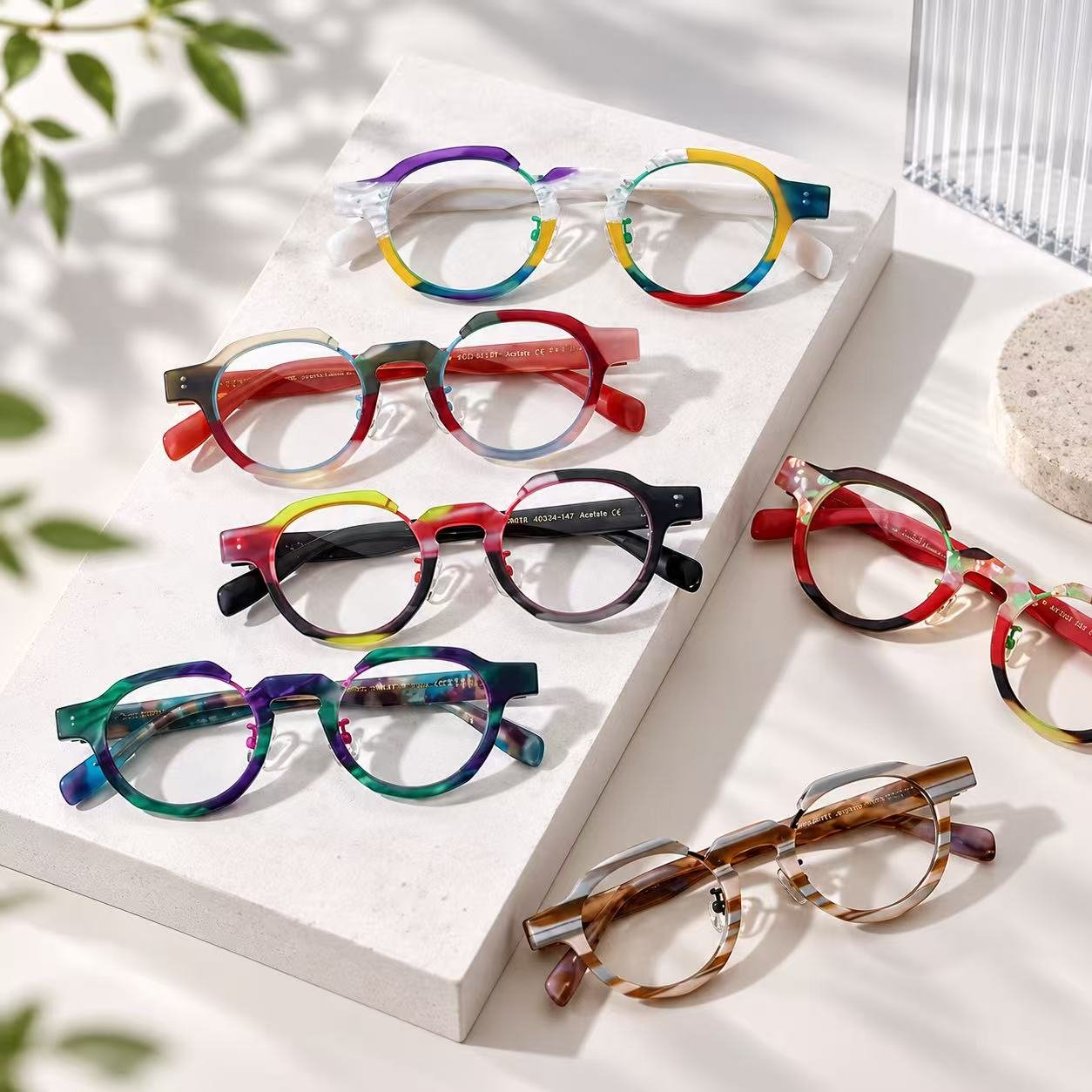
Explore how laminated acetate creates distinctive eyewear designs through different layer thicknesses, colors, and patterns, and how Cenming Eyewear manages shrinkage, color symmetry, and manufacturing challenges to improve production consistency.
Laminated acetate offers eyewear brands greater freedom to explore colors, patterns, and visual depth. By combining different acetate layers, we can create contrasting edges, translucent effects, and distinctive frame designs.
However, producing high-quality laminated acetate eyewear requires more than selecting attractive materials. Layer thickness, color distribution, shrinkage control, CNC machining, and polishing all influence the final appearance.
At Cenming Eyewear, we focus on these details to help independent brands balance creative design with manufacturing consistency.
1. Design Possibilities: Layer Thickness, Colors & Patterns
One of the main advantages of laminated acetate is the ability to combine different visual effects within a single frame.
Depending on material availability and construction, we can explore:
- Layer thickness: Different proportions of colored layers to create subtle or bold contrasts.
- Color combinations: Transparent, translucent, and opaque layers for greater visual depth.
- Patterns and textures: Tortoiseshell, marbled effects, and irregular color distributions.
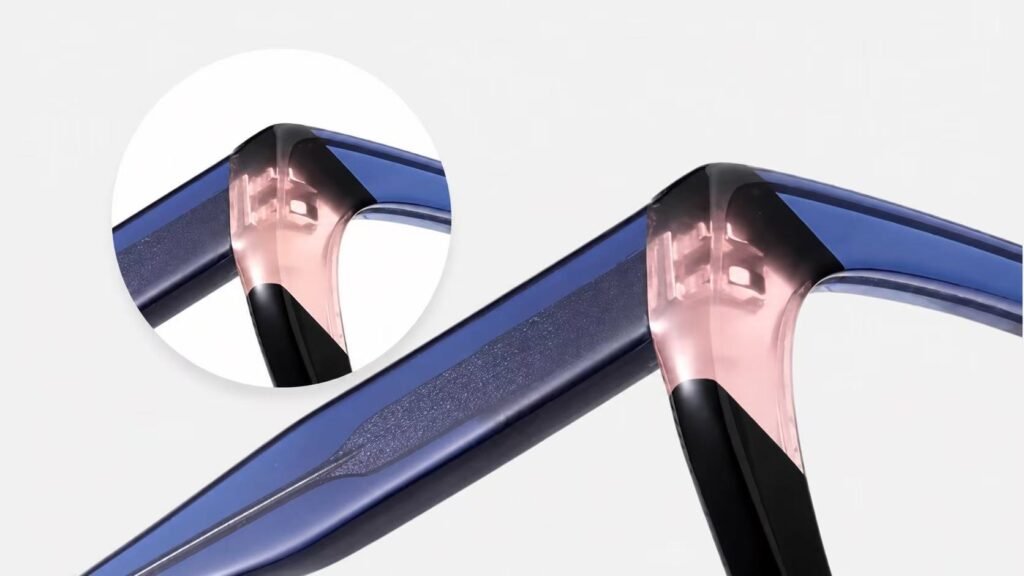
- Sculpted details: CNC-cut bevels and contours that reveal different layers from different angles.
The thickness and positioning of each layer determine how the colors appear after machining.
Not every combination is technically feasible. We evaluate material construction, overall frame thickness, and machining requirements before confirming a design.

2. Manufacturing Challenges & Quality Control
Laminated acetate can create distinctive designs, but maintaining consistent results requires careful control throughout production.
Shrinkage Control & Color Symmetry
Achieving balanced color distribution on both sides of a laminated acetate frame involves more than precise cutting.
Automated material bonding equipment and carefully manage material shrinkage and stabilization time to help improve color symmetry and consistency between the left and right sides.
By considering these factors before machining, we aim to reduce uneven color exposure and maintain a more balanced appearance in finished frames.
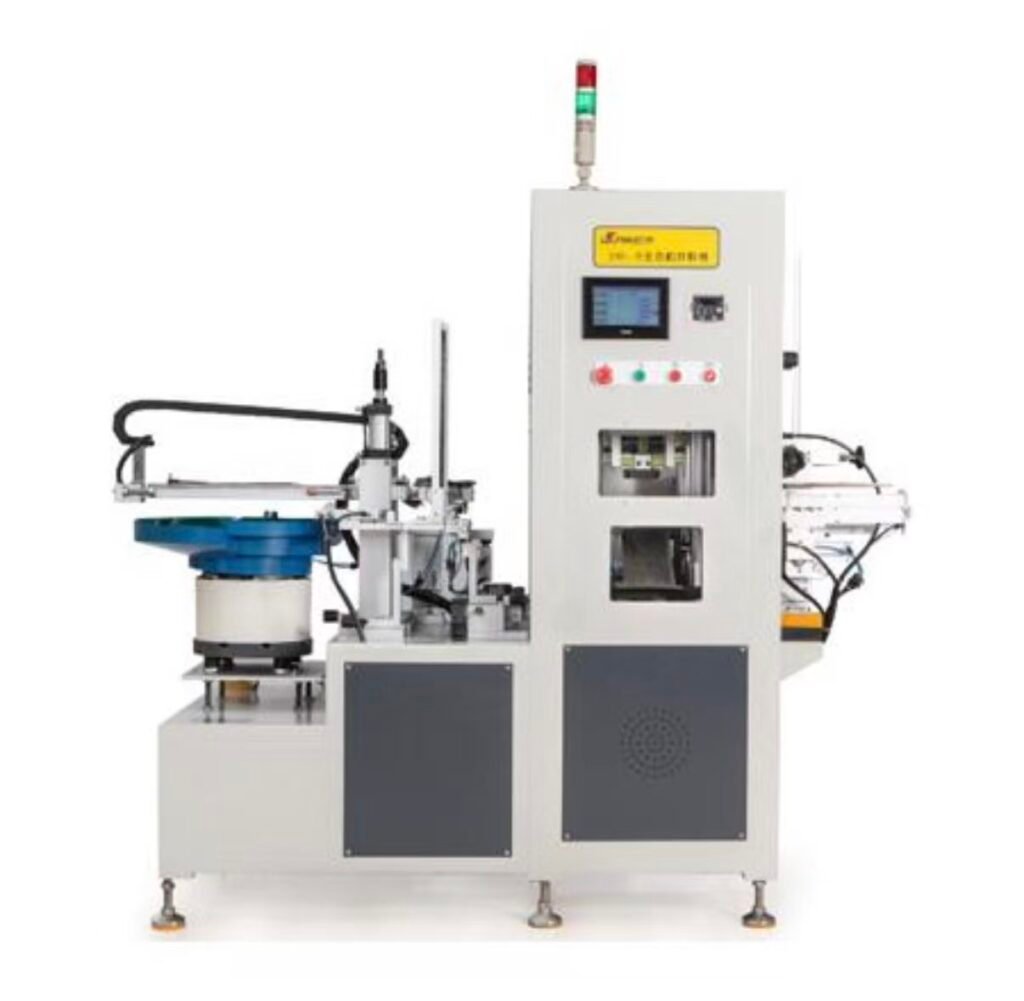
Bonding & Layer Stability
Depending on the material construction, potential issues include visible bonding gaps, weak adhesion, or layer separation.
We consider material compatibility, processing requirements, and inspection standards to help identify and reduce these risks.
CNC Machining & Layer Exposure
Cutting depth, bevel angles, and material positioning can affect how different acetate layers appear on the finished frame.
We review frame geometry and machining requirements to help maintain consistent color transitions, dimensions, and structural details.
Polishing & Dimensional Stability
Polishing enhances the visual depth of laminated acetate, but excessive material removal may alter visible layer proportions or soften sculpted edges.
Heating, shaping, and machining may also affect acetate dimensions.
Through controlled processing and inspection, we aim to preserve the intended contours, surface finish, and dimensional consistency.
3. Managing Natural Pattern Variation
Not every laminated acetate frame will display exactly the same decorative pattern.
Depending on the selected material, variations in color distribution, transparency, or irregular patterns may be part of the intended design.
The key is distinguishing acceptable aesthetic variation from manufacturing inconsistency.
Elements we aim to keep consistent:
- Frame shape and dimensions
- Lens positioning
- Hinge type and alignment
- Structural construction
- Approved finishing standards
Elements that may vary within agreed limits:
- Decorative pattern distribution
- Irregular veins or swirls
- Color transitions in patterned materials
During sampling, we discuss these expectations with our clients to establish clear reference standards before production.
4. From Design Concept to Production
At Cenming Eyewear, we consider both visual expectations and manufacturing feasibility when developing laminated acetate frames.
Our work includes:
- Reviewing material options, layer thickness, and color combinations
- Evaluating material shrinkage and stabilization requirements
- Planning CNC machining and layer positioning
- Identifying potential bonding, deformation, and finishing risks
- Checking sample appearance, dimensions, and construction
- Establishing practical quality standards before production
Rather than promising identical decorative patterns on every frame, we focus on controlling the manufacturing factors that affect quality, color symmetry, and consistency.
Early communication about material selection and expected visual effects helps us reduce unnecessary revisions during development.
FAQs
Can laminated acetate be customized with different layer thicknesses?
Yes, depending on material availability and manufacturing feasibility. We review layer proportions alongside the required frame thickness and structure.
How do you improve color symmetry in laminated acetate frames?
We use automated material bonding equipment and manage material shrinkage and stabilization time. Combined with material positioning, CNC machining, and inspection, these measures help improve color symmetry between the left and right sides.
Will every laminated acetate frame have the same pattern?
Not necessarily. Patterned materials may show natural visual variation. We work with clients to define acceptable differences while maintaining consistent dimensions and construction.
What are the main manufacturing risks?
Potential concerns include uneven color exposure, bonding defects, layer separation, deformation, and changes in edge definition during polishing.
Is laminated acetate suitable for small-batch eyewear production?
It can be, particularly when suitable laminated sheets are available. Custom material development may involve additional minimum quantities and lead times.
Final Thoughts
Laminated acetate allows eyewear brands to create distinctive designs through layered colors, patterns, and three-dimensional effects.
The challenge is maintaining the intended appearance while ensuring reliable manufacturing quality.
At Cenming Eyewear, we focus on material selection, shrinkage control, CNC precision, polishing, and quality inspection to help turn creative concepts into production-ready frames.
Developing a Custom Laminated Acetate Collection?
We support independent eyewear brands with OEM and ODM development, material selection, and manufacturing.
Contact us to discuss your design and production requirements.