A manufacturing perspective on the eyewear trends that new brands should consider when developing sunglasses and optical frame collections.
Introduction
Eyewear trends are not only about shapes and colors. For new brands, trends should be understood from a product development perspective. A trend becomes valuable only when it can be translated into a wearable, manufacturable, and commercially practical eyewear collection.
New eyewear brands need to watch how consumers think about style, comfort, sustainability, function, and technology. These directions can influence frame material, lens selection, color planning, structure, packaging, and brand communication.
1. Functional Sunglasses Are Becoming More Lifestyle-Driven
Functional sunglasses are no longer limited to sports or outdoor use. Many customers want sunglasses that look stylish while still offering practical benefits such as polarized lenses, anti-glare performance, secure fitting, and comfortable weight.
For new brands, this creates an opportunity to combine fashion styling with functional lens choices. A lifestyle sunglasses collection can include lens colors, polarized options, gradient lenses, or sport-inspired frame details without becoming too technical or niche.
2. Lightweight Comfort Matters More Than Before
Modern consumers care about comfort, especially for frames worn every day. A beautiful frame that feels heavy, tight, or unbalanced can create a poor customer experience. Lightweight design does not always mean using the thinnest material. It requires a balanced structure, suitable bridge design, comfortable temples, and stable lens fitting.
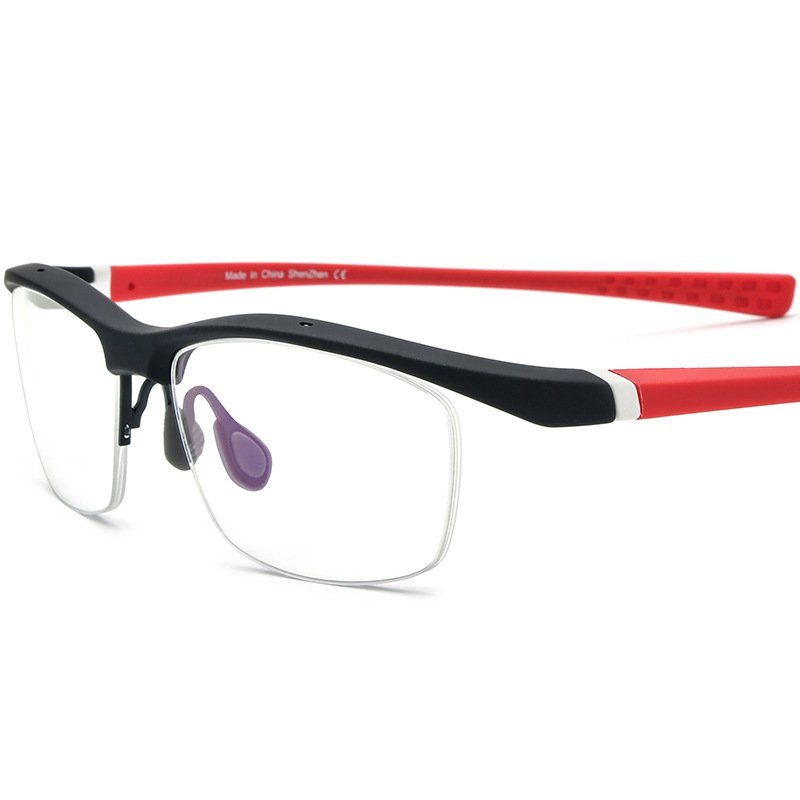
Materials such as titanium, stainless steel, TR90, and well-balanced acetate structures can all support different comfort goals. The right choice depends on the brand’s design direction and target price.
3. Sustainable Materials Are Gaining Attention
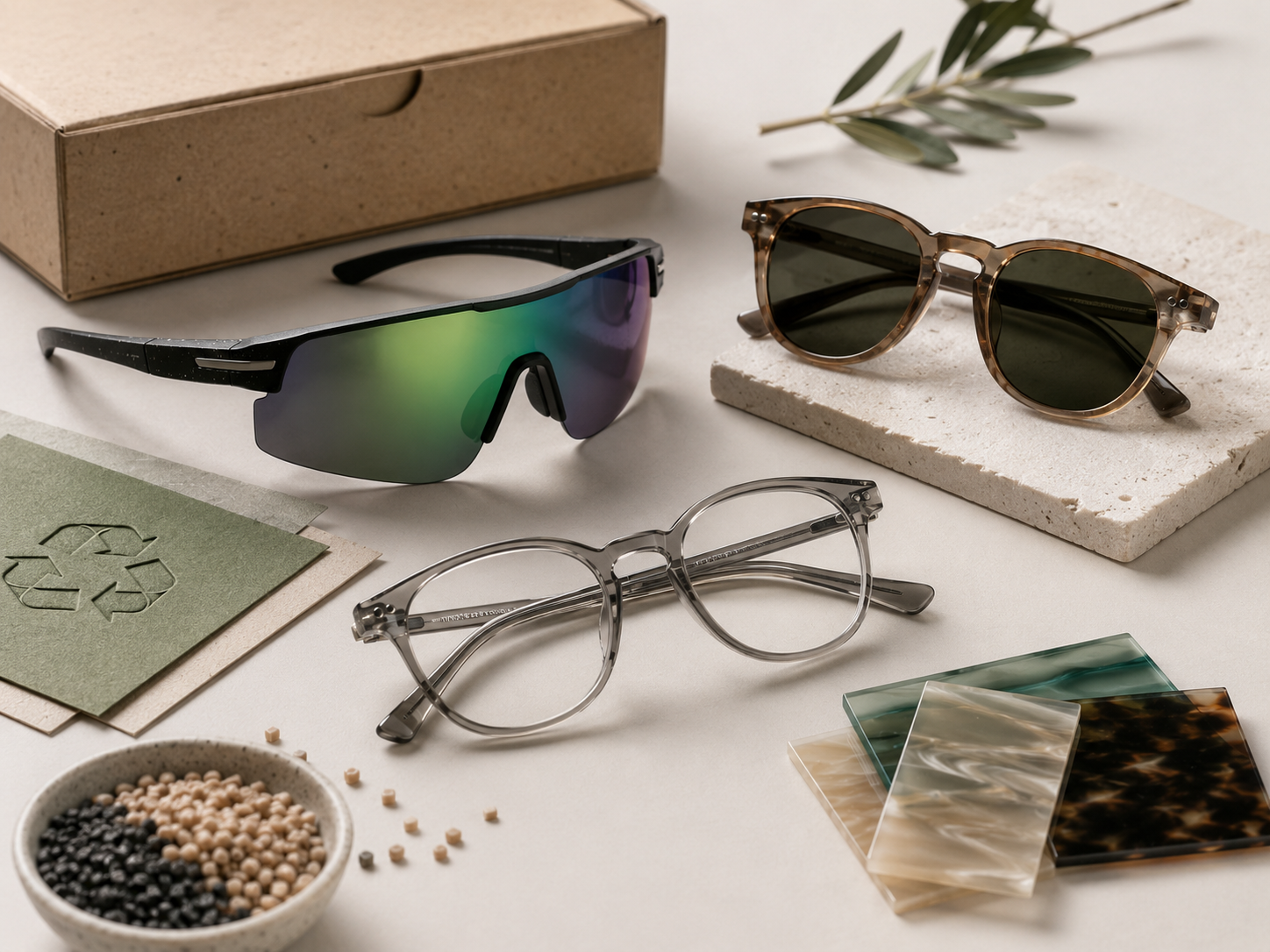
Sustainability has become an important topic for many eyewear brands. Bio-based acetate, recycled materials, and more responsible packaging can help a brand communicate environmental values. However, sustainable material choices should still be evaluated for quality, durability, appearance, and production consistency.
A new brand should avoid using sustainability only as a marketing word. The product still needs to meet real customer expectations for comfort, frame stability, polishing, lens quality, and long-term use.
4. Sport-Inspired Shapes Are Entering Fashion Eyewear
Sport-inspired sunglasses are increasingly seen in lifestyle and fashion settings. Wraparound shapes, shield-inspired lenses, secure temples, and performance-influenced lens colors can be adapted for daily wear when balanced carefully.
For new brands, this trend can work well if the design avoids looking too generic. The frame should still have a clear brand language, good fitting, attractive lens choices, and appropriate material selection.
5. Retro Styles Still Need Fresh Details
Vintage-inspired frames remain popular, but simply copying old shapes is not enough. New brands can update retro styles through modern colors, thinner profiles, refined hinges, special temple details, improved fitting, or premium lens combinations.
This approach allows a brand to use familiar shapes while still creating a product that feels fresh and ownable.
6. Smart Eyewear Is Changing Expectations
Smart glasses are increasing consumer awareness of eyewear as a technology platform. However, traditional sunglasses and optical frames still remain important for fashion, prescription needs, comfort, and daily styling. New brands do not need to become technology brands to benefit from this shift.
The influence of smart eyewear can encourage brands to think more carefully about comfort, weight, lens performance, user experience, and future product expansion.
Conclusion
Trends can guide new eyewear brands, but the best products are built when trend direction is combined with manufacturing feasibility. A good factory partner can help translate ideas into practical frame structures, material choices, lens options, and production plans.
Cenming Eyewear supports new and growing brands with custom sunglasses, optical frames, OEM/ODM development, material selection, sample making, and small-batch production.
FAQ
1. What eyewear trends should new brands follow?
New brands should watch functional sunglasses, lightweight comfort, sustainable materials, sport-inspired shapes, refined retro styles, and smart eyewear influence.
2. Are sustainable eyewear materials important?
Yes, but sustainable materials should still meet quality, comfort, durability, and production consistency requirements.
3. Are sport-style sunglasses suitable for fashion brands?
Yes. Sport-inspired sunglasses can work for fashion brands when the frame design, lens color, and fitting are balanced for lifestyle use.
4. Will smart glasses replace traditional eyewear?
Not fully. Smart glasses are expanding the market, but traditional sunglasses and optical frames remain important for fashion, comfort, prescription use, and daily wear.
5. How can a factory help turn trends into real products?
A factory can help evaluate material choices, frame structure, lens options, sample feasibility, cost, and production planning.
A practical guide for new eyewear brands to select the right product type, materials, styles, and production strategy before launching their first collection.
Introduction
Launching the first eyewear collection is exciting, but it can also be difficult. Many new brands want to create a strong impression immediately, so they try to develop too many styles, too many colors, and too many customization options at once. This often increases cost, slows production, and makes the brand message less clear.
A better approach is to build a focused first collection. The first collection should help the brand communicate its target customer, design language, price level, and product quality. It does not need to include every possible frame type. It needs to be clear, consistent, and manufacturable.
1. Start with a Clear Target Customer
Before choosing frame styles, a brand should define who the collection is for. A collection for fashion-conscious young consumers may need bold shapes, strong colors, and expressive details. A collection for premium optical boutiques may require refined materials, comfortable fitting, and subtle branding.
Target customer clarity affects almost every decision, including frame shape, material, lens type, color palette, logo position, packaging, price range, and order quantity. Without a clear customer, the first collection can easily become scattered.
2. Choose the Right Product Type
New eyewear brands often ask whether they should start with sunglasses, optical frames, or both. Sunglasses are usually easier for fashion, lifestyle, resort, and travel brands because they do not always require prescription fitting at the beginning. Optical frames can be valuable for brands that work with opticians, boutiques, or prescription customers, but they require more attention to fit, sizing, and optical use.
Some brands start with sunglasses first, then expand into optical frames after confirming their design direction. Others start with a small mixed collection if their target customers expect both categories.
3. Keep the Collection Size Focused
A first collection does not need to include many styles. A focused capsule collection with several strong shapes and carefully selected colors can be more effective than a large, unfocused launch. Too many styles increase sampling cost, production management difficulty, inventory pressure, and marketing complexity.
A practical starting point may include a small number of core shapes, each with a limited number of color or lens options. This gives the brand enough variety while keeping production manageable.
4. Select Materials Based on Positioning
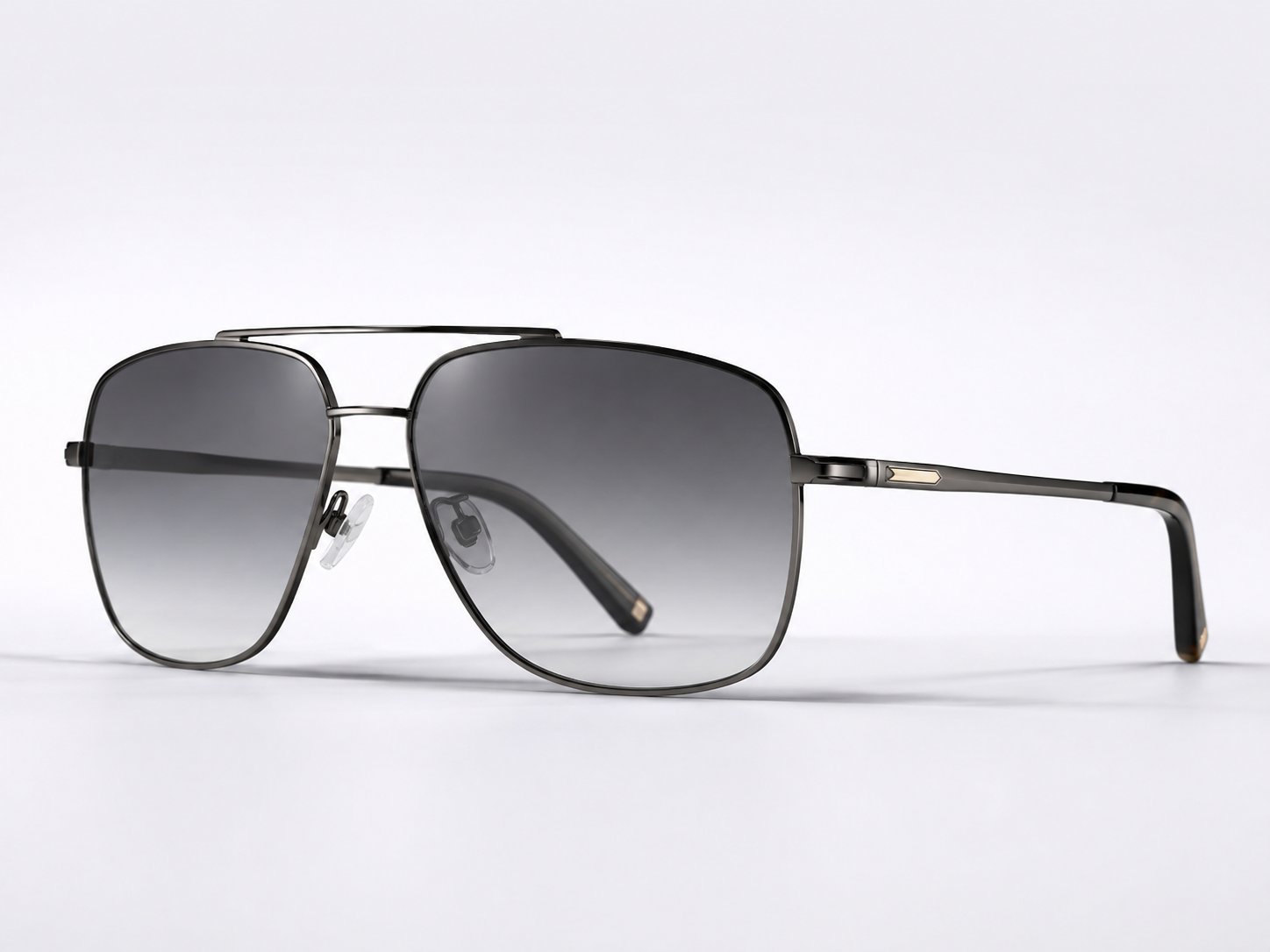
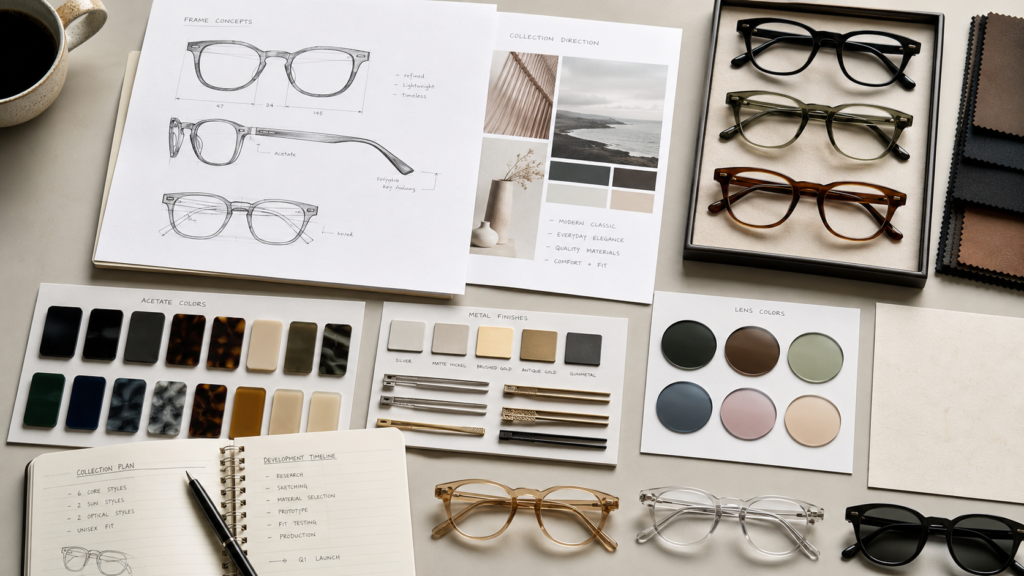
Material selection should match brand positioning. Acetate is suitable for premium, colorful, and fashion-forward frames. Metal is suitable for refined, lightweight, minimalist, or classic designs. TR90 or other lightweight materials may work for sport, active, or comfort-focused products.
The material choice also affects price, tooling, production time, color options, and customer perception. A professional factory can help the brand compare material advantages and limitations before sampling.
5. Balance Design and Manufacturability
Creative design is important, but eyewear is a wearable product. The frame must fit the face, hold the lenses properly, open and close smoothly, and remain comfortable during daily use. Some attractive design ideas may be difficult to produce or may create comfort problems if not adjusted technically.
During early development, the factory should review frame thickness, bridge design, temple structure, hinge placement, lens curve, nose pad design, and overall balance. This helps reduce mistakes before sample production.
6. Use Small-Batch Production to Test the Market
For new brands, small-batch production is often more realistic than large-scale production. It allows the brand to test customer response to frame shapes, colors, packaging, and pricing. After the first batch, the brand can keep the best-selling styles, adjust weaker styles, and plan the next collection more confidently.
This step-by-step approach helps reduce inventory risk and gives the brand more flexibility during its early stage.
Conclusion
A strong first eyewear collection should be focused, consistent, and aligned with the brand’s target customer. Instead of trying to launch everything at once, new brands should choose a clear product direction, select suitable materials, confirm a manageable collection size, and test the market with practical production planning.
Cenming Eyewear helps new eyewear brands evaluate frame options, materials, customization details, sample development, and small-batch production before scaling to larger orders.
FAQ
How many styles should a new eyewear brand start with?
A new brand can start with a focused capsule collection. A small number of strong styles in selected colors is usually better than too many products at once.
Should a new eyewear brand start with sunglasses or optical frames?
Sunglasses are often easier for fashion and lifestyle brands to start with. Optical frames may require stronger fitting and prescription-related considerations.
Is it better to use existing molds or custom molds?
Existing molds can reduce cost and development time. Custom molds are better when the brand needs a unique frame structure or exclusive design.
How can a factory help with the first collection?
A factory can help evaluate frame structure, material options, cost, lens choices, sample feasibility, and production planning.
What should a new brand prepare before development?
A brand should prepare target customer information, design references, material preferences, lens requirements, logo details, quantity range, and budget expectations.
Why Custom Sunglasses Are a Strong Starting Point for New Eyewear Brands
For many new eyewear brands, choosing the right first product category is one of the most important business decisions. The eyewear market is competitive, and launching another standard frame collection without a clear point of difference can easily lead to price competition, inventory pressure, and weak brand recognition.
Custom sunglasses offer a more strategic starting point.
Unlike mass-produced sunglasses, custom sunglasses allow a new brand to build its own visual identity, target a specific customer group, and create products with stronger perceived value. From frame shape and material selection to lens functions, color combinations, logo details, and packaging, customization gives new eyewear brands more room to express their brand concept from the beginning.
For new brands, custom sunglasses are not only a product category. They can become a practical brand-building strategy.
As an eyewear manufacturer based in Shenzhen, Cenming Eyewear supports new and growing eyewear brands with custom sunglasses development, sampling, small-batch production, OEM manufacturing, ODM support, and white label solutions.
1. Custom Sunglasses Match the Demand for Personalization
Today’s consumers are no longer satisfied with products that look the same everywhere. Sunglasses are not only used for sun protection; they are also part of personal style, lifestyle identity, travel, sports, and fashion expression.
This creates strong opportunities for new eyewear brands.
A custom sunglasses collection can be designed around a specific customer group, such as fashion-conscious young consumers, premium lifestyle buyers, sports users, resort and travel customers, or boutique optical clients. Instead of competing directly with large established brands, a new brand can enter the market with a more focused and distinctive offer.
Customization can include:
Frame shape and size
Acetate or metal material selection
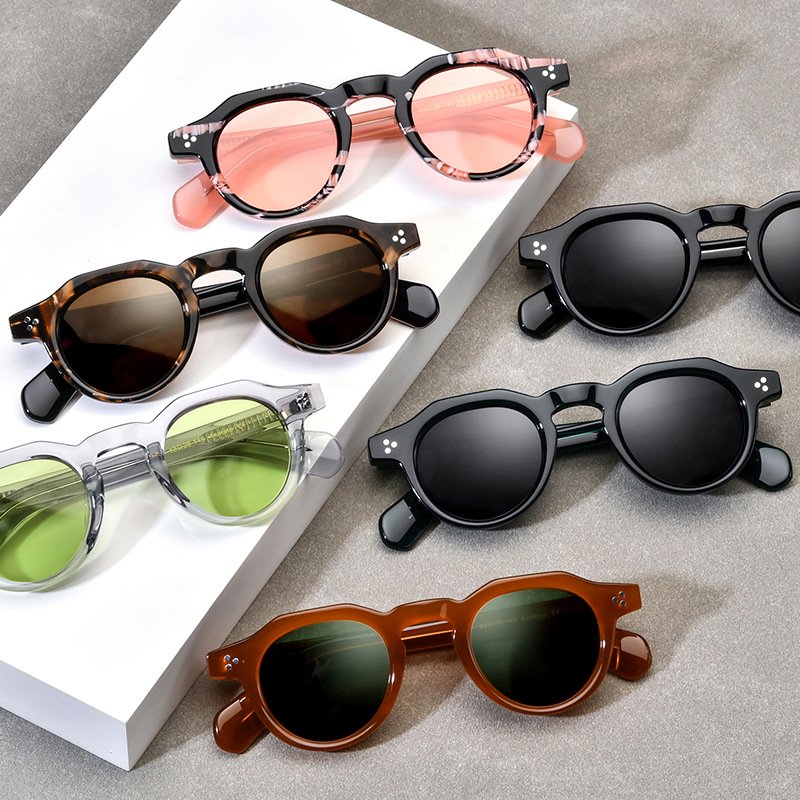
Custom colors and color combinations
Polarized, gradient, tinted, or photochromic lenses
UV400 lens protection
Logo printing or engraving
Temple core design
Packaging and accessories
Limited-edition or seasonal collections
For new eyewear brands, this flexibility makes it easier to create a recognizable product identity from the start.
2. Custom Sunglasses Help New Brands Avoid Product Homogeneity
One of the biggest challenges in the sunglasses market is product similarity. Many low-cost or mass-market sunglasses look highly similar in shape, color, and structure. For a new brand, entering the market with generic designs can make it difficult to stand out.
Custom sunglasses allow a brand to create differentiation through design, materials, craftsmanship, and positioning.
For example, a brand can focus on:
Lightweight acetate sunglasses for daily lifestyle wear
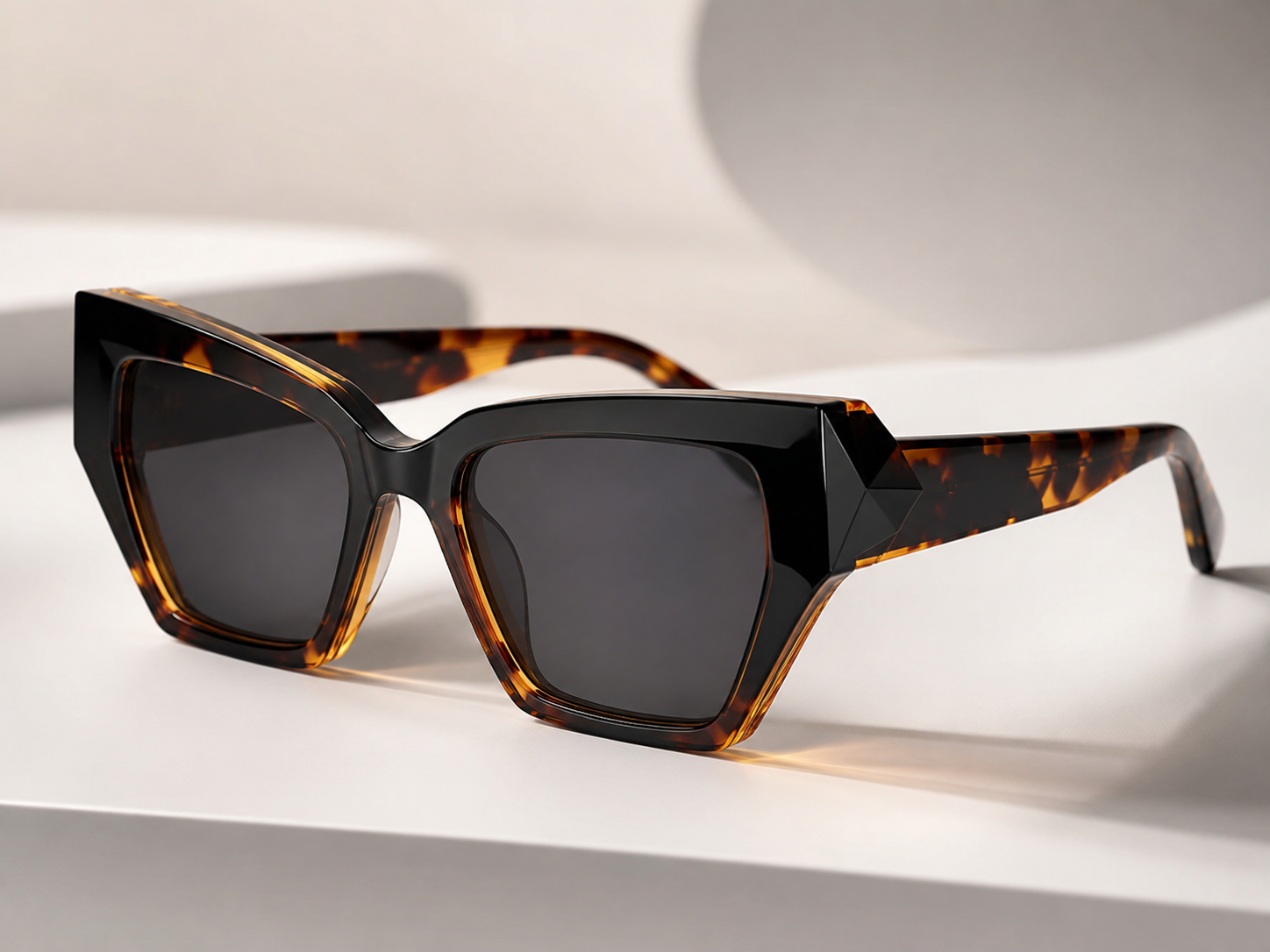
Bold geometric frames for fashion-driven customers
Eco-conscious frames made with bio-based or recycled materials
Sport sunglasses with functional lenses and secure fitting
Premium handmade sunglasses with polished details
Custom logo sunglasses for resort, fashion, or corporate projects
Instead of trying to serve everyone, a new brand can use customization to build a clear product story.
At Cenming Eyewear, we help brands develop custom sunglasses based on their target market, design direction, price range, and product positioning. From early concept discussion to material selection, prototype development, and production, our goal is to help brands turn ideas into manufacturable eyewear products.
3. Custom Sunglasses Can Create Higher Perceived Value
Mass-produced sunglasses are often compared by price. Custom sunglasses, however, can create higher perceived value because the product includes design intention, material selection, craftsmanship, lens function, brand details, and a more personal customer experience.
For new eyewear brands, this is important.
A brand does not always need to compete by offering the lowest price. Instead, it can communicate value through:
Better frame materials
Reliable lens protection
Comfortable fitting
Thoughtful design details
Limited production quantities
Personalized logo or packaging
A clear brand story
This gives the brand more flexibility in pricing and helps protect profit margins during the early stage of business development.
A professional eyewear factory can also help new brands balance customization and cost. Not every detail needs to be fully custom at the beginning. In many cases, a smart combination of existing frame structures, custom colors, logo details, lens choices, and packaging can create a strong branded product while keeping development cost under control.
4. Small-Batch Custom Production Reduces Startup Risk
Inventory pressure is one of the biggest risks for new eyewear brands. Producing a large quantity of sunglasses before testing the market can create high upfront costs and slow-moving stock.
Custom sunglasses manufacturing can be more flexible when supported by the right factory.
Small-batch production allows a brand to test different shapes, colors, lens options, and price points before scaling. This is especially useful for new brands that are still learning which products their customers prefer.
A flexible production model can support:
Prototype development
Small-batch trial orders
Multiple color testing
Seasonal capsule collections
Limited-edition drops
Market feedback-based adjustments
Gradual product line expansion
Cenming Eyewear supports new eyewear brands with flexible custom production solutions, including sample development, small-batch manufacturing, and scalable production when a design proves successful in the market.
5. New Brands Should Start with a Clear Target Customer
Custom sunglasses should not mean unlimited options. One common mistake is offering too many customization choices too early. This can confuse customers, increase production complexity, and make quality control more difficult.
A better approach is to define a clear target customer first.
For example:
A fashion brand may focus on bold colors, distinctive shapes, and strong visual identity.
A premium lifestyle brand may focus on high-quality acetate, refined polishing, elegant colors, and subtle branding.
A sports-oriented brand may focus on lightweight frames, polarized lenses, anti-glare performance, and secure fitting.
An eco-conscious brand may focus on bio-based acetate, recycled materials, and sustainable packaging.
When the target customer is clear, customization becomes more effective. The brand can offer fewer but stronger product options.
6. Quality Is the Foundation of Custom Sunglasses
Customization is valuable only when the product quality is reliable. For sunglasses, quality is not limited to appearance. Lens protection, frame comfort, hinge stability, polishing, fitting accuracy, and long-term durability all affect the customer experience.
Important quality factors include:
UV400 protection
Lens clarity
Polarized or functional lens performance
Frame balance and comfort
Accurate sizing
Stable hinges
Smooth polishing
Clean logo application
Consistent color and finishing
Reliable packaging and final inspection
At Cenming Eyewear, custom sunglasses production is managed through multiple manufacturing and quality control steps. We support acetate, metal, and combination sunglasses, and we can provide different lens options such as polarized lenses, tinted lenses, gradient lenses, photochromic lenses, and prescription sun lenses depending on the brand’s project requirements.
7. A Reliable Factory Partner Matters for New Eyewear Brands
For a new eyewear brand, product ideas are important, but execution is just as important. A strong factory partner can help reduce mistakes in design, sampling, material selection, cost control, and production planning.
When choosing a custom sunglasses manufacturer, new brands should consider:
Does the factory understand eyewear structure and fitting?
Can it support both OEM and ODM projects?
Can it provide sampling before mass production?
Does it support small-batch production?
Can it handle different materials and lens options?Can it handle different materials and lens options?
Does it have experience with international B2B eyewear projects?
Can it help with packaging, logo application, and quality control?
Is communication clear during the development process?
A good manufacturing partner should not only produce frames. It should help the brand make better product decisions.
Cenming Eyewear works with eyewear brands, fashion brands, optical companies, and private label clients that need custom sunglasses manufacturing support. Whether a brand is developing its first sunglasses collection or expanding an existing product line, we provide practical manufacturing solutions from design discussion to sample development and production.
8. Common Mistakes New Brands Should Avoid
Offering Too Many Custom Options
Too many choices can increase cost, delay production, and make the customer journey confusing. New brands should start with essential custom options and expand gradually.
Focusing Only on Appearance
Logo printing, engraving, and colors are important, but they cannot replace product quality. Lens protection, frame comfort, and durability must come first.
Pricing Too High or Too Low
Custom sunglasses should be priced according to material, craftsmanship, lens function, packaging, and target customer expectations. A price that is too low may weaken brand value, while a price that is too high may reduce conversion.
Choosing a Factory Without Custom Experience
Not every eyewear factory is suitable for custom projects. New brands should work with a manufacturer that understands sampling, small-batch production, material options, and brand-focused details.
Conclusion: Custom Sunglasses Can Help New Brands Start with Differentiation
Custom sunglasses are a strong starting point for new eyewear brands because they combine market demand, product differentiation, brand identity, and flexible production.
For a new brand, the goal is not to offer every possible option. The goal is to create a focused, high-quality, and recognizable sunglasses collection that speaks clearly to a specific customer group.
With the right positioning and the right manufacturing partner, custom sunglasses can help a new eyewear brand reduce early-stage risk, build brand recognition, and create products with stronger value.
Cenming Eyewear provides custom sunglasses manufacturing, OEM eyewear production, ODM eyewear development, private label sunglasses, and small-batch production support for new and growing eyewear brands. If you are planning to start or expand a custom sunglasses collection, our team can help you develop practical, high-quality eyewear products from concept to production.
FAQ:
Are custom sunglasses a good product category for a new eyewear brand?
Yes. Custom sunglasses can be a strong starting point for new eyewear brands because they allow the brand to create differentiation through design, materials, lens options, colors, logo details, and packaging. Compared with generic mass-produced sunglasses, custom sunglasses make it easier for a new brand to build a clear identity and target a specific customer group.
What is the difference between OEM and ODM sunglasses manufacturing?
OEM sunglasses manufacturing means the factory produces sunglasses based on the brand’s own design, specifications, or technical requirements. ODM sunglasses manufacturing means the factory can provide existing design concepts, frame structures, or development support that the brand can customize with its own logo, colors, lenses, and packaging.
Can a new brand start with small-batch custom sunglasses production?
Yes. Many new eyewear brands prefer to start with small-batch production to test the market before placing larger orders. Small-batch production helps reduce inventory risk and allows the brand to adjust designs, colors, and lens options based on customer feedback. Please contact us for the catalog.
What can be customized on sunglasses?
Common custom options include frame shape, frame material, acetate colors, metal finishing, lens color, polarized lenses, UV400 lenses, gradient lenses, logo printing, laser engraving, temple details, packaging, and accessories.
What materials are commonly used for custom sunglasses?
Common materials include acetate, stainless steel, titanium, TR90, bio-based acetate, recycled materials, and metal-acetate combination structures. The best material depends on the brand positioning, target price, design style, and performance requirements.
Do custom sunglasses need UV400 protection?
Yes. UV400 protection is an important quality standard for sunglasses because it helps block UVA and UVB rays. For any professional eyewear brand, lens protection should be treated as a core product requirement, not just an optional feature.
How long does it take to develop custom sunglasses?
The timeline depends on the frame design, material choice, mold requirements, sample revisions, and order quantity. As a general reference, a regular custom sunglasses sample may take around 1 month. For faster design review, we can also support 3D prototyping, and a 3D sample can usually be prepared within about 1 week, depending on the frame structure and technical details. For a specific project, please contact us with your design reference and requirements, and our team will help evaluate the best sampling method and production timeline.
How should a new eyewear brand choose a sunglasses manufacturer?
A new brand should look for a manufacturer with custom eyewear experience, sampling capability, small-batch production support, quality control systems, material knowledge, and clear communication. The factory should be able to support not only production, but also practical product development decisions.
Can Cenming Eyewear help with private label sunglasses?
Yes. Cenming Eyewear supports private label sunglasses, OEM sunglasses, ODM eyewear development, custom logo application, packaging customization, and small-batch production for new and growing eyewear brands.
Is China a good place to manufacture custom sunglasses?
Yes. China has a mature eyewear manufacturing supply chain, and Shenzhen is particularly strong in high-quality custom eyewear production. It is well known for premium acetate frames, metal frames, lens options, packaging, and OEM/ODM manufacturing. For international eyewear brands, working with an experienced Chinese eyewear factory can provide better flexibility, cost control, and efficient production support.