

A manufacturing perspective on the eyewear trends that new brands should consider when developing sunglasses and optical frame collections.
Introduction
Eyewear trends are not only about shapes and colors. For new brands, trends should be understood from a product development perspective. A trend becomes valuable only when it can be translated into a wearable, manufacturable, and commercially practical eyewear collection.
New eyewear brands need to watch how consumers think about style, comfort, sustainability, function, and technology. These directions can influence frame material, lens selection, color planning, structure, packaging, and brand communication.
1. Functional Sunglasses Are Becoming More Lifestyle-Driven
Functional sunglasses are no longer limited to sports or outdoor use. Many customers want sunglasses that look stylish while still offering practical benefits such as polarized lenses, anti-glare performance, secure fitting, and comfortable weight.
For new brands, this creates an opportunity to combine fashion styling with functional lens choices. A lifestyle sunglasses collection can include lens colors, polarized options, gradient lenses, or sport-inspired frame details without becoming too technical or niche.
2. Lightweight Comfort Matters More Than Before
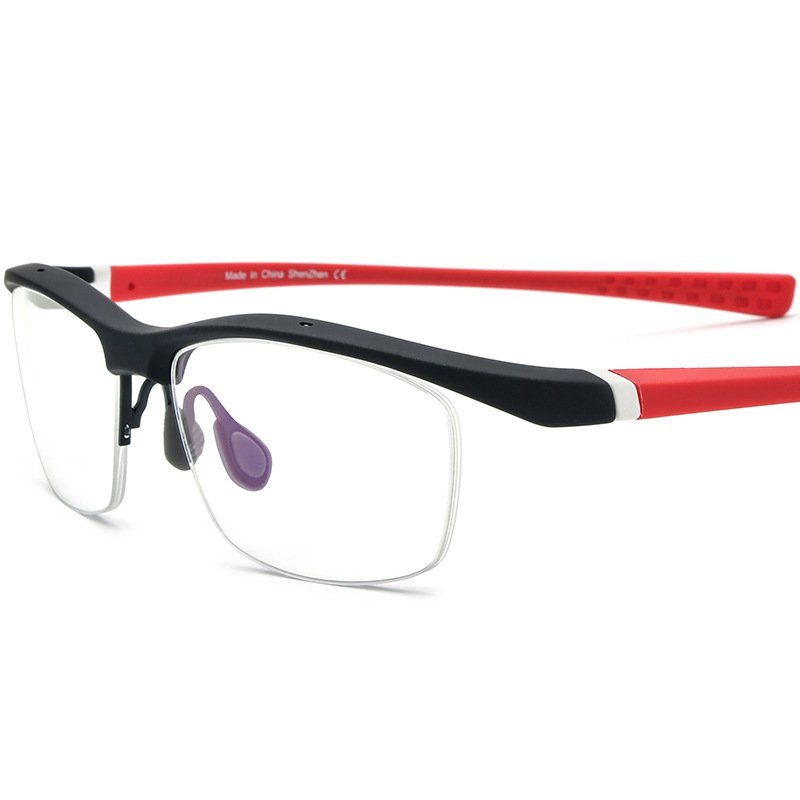
Modern consumers care about comfort, especially for frames worn every day. A beautiful frame that feels heavy, tight, or unbalanced can create a poor customer experience. Lightweight design does not always mean using the thinnest material. It requires a balanced structure, suitable bridge design, comfortable temples, and stable lens fitting.
Materials such as titanium, stainless steel, TR90, and well-balanced acetate structures can all support different comfort goals. The right choice depends on the brand’s design direction and target price.
3. Sustainable Materials Are Gaining Attention
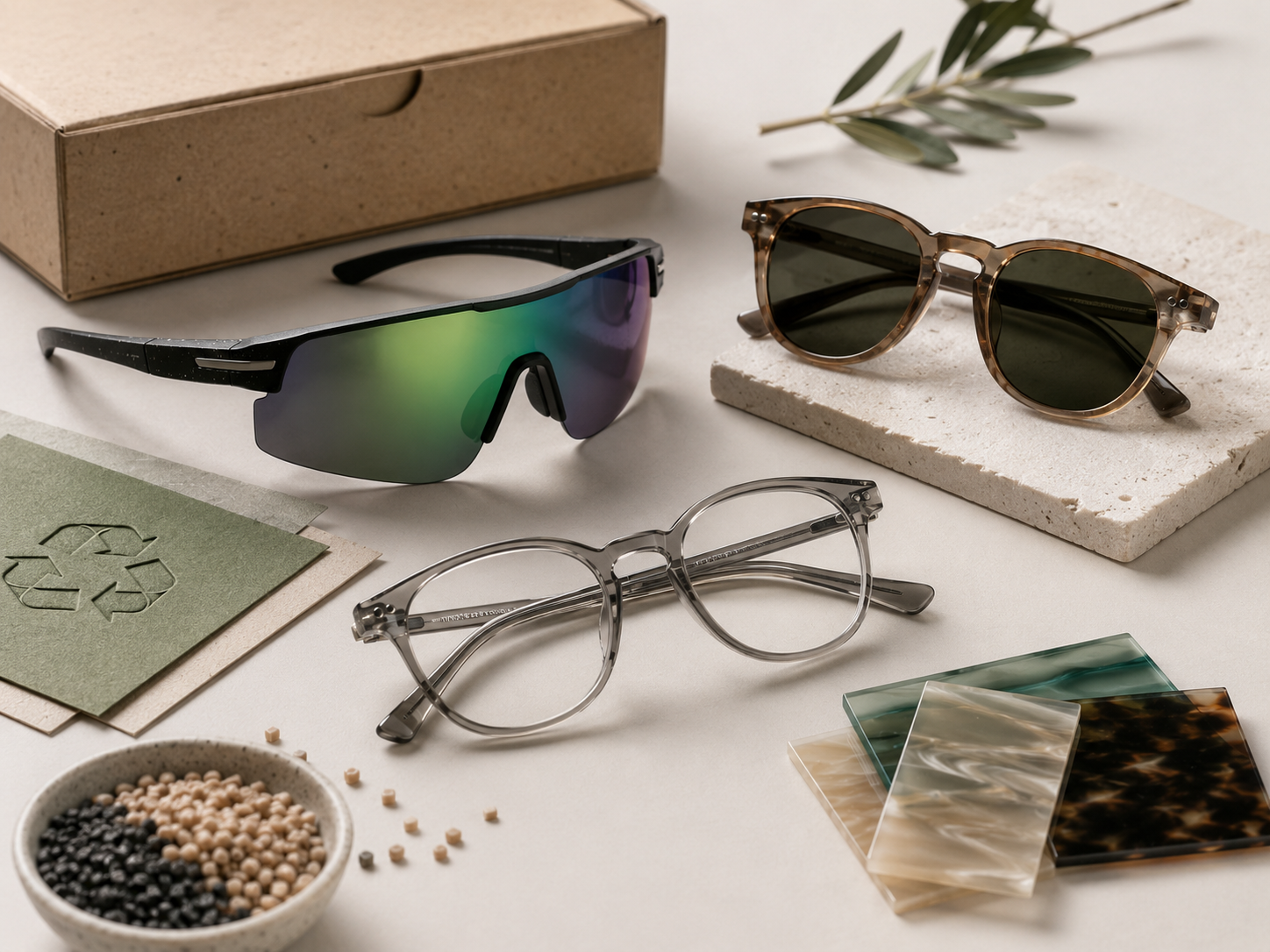
Sustainability has become an important topic for many eyewear brands. Bio-based acetate, recycled materials, and more responsible packaging can help a brand communicate environmental values. However, sustainable material choices should still be evaluated for quality, durability, appearance, and production consistency.
A new brand should avoid using sustainability only as a marketing word. The product still needs to meet real customer expectations for comfort, frame stability, polishing, lens quality, and long-term use.
4. Sport-Inspired Shapes Are Entering Fashion Eyewear
Sport-inspired sunglasses are increasingly seen in lifestyle and fashion settings. Wraparound shapes, shield-inspired lenses, secure temples, and performance-influenced lens colors can be adapted for daily wear when balanced carefully.
For new brands, this trend can work well if the design avoids looking too generic. The frame should still have a clear brand language, good fitting, attractive lens choices, and appropriate material selection.
5. Retro Styles Still Need Fresh Details
Vintage-inspired frames remain popular, but simply copying old shapes is not enough. New brands can update retro styles through modern colors, thinner profiles, refined hinges, special temple details, improved fitting, or premium lens combinations.
This approach allows a brand to use familiar shapes while still creating a product that feels fresh and ownable.
6. Smart Eyewear Is Changing Expectations
Smart glasses are increasing consumer awareness of eyewear as a technology platform. However, traditional sunglasses and optical frames still remain important for fashion, prescription needs, comfort, and daily styling. New brands do not need to become technology brands to benefit from this shift.
The influence of smart eyewear can encourage brands to think more carefully about comfort, weight, lens performance, user experience, and future product expansion.
Conclusion
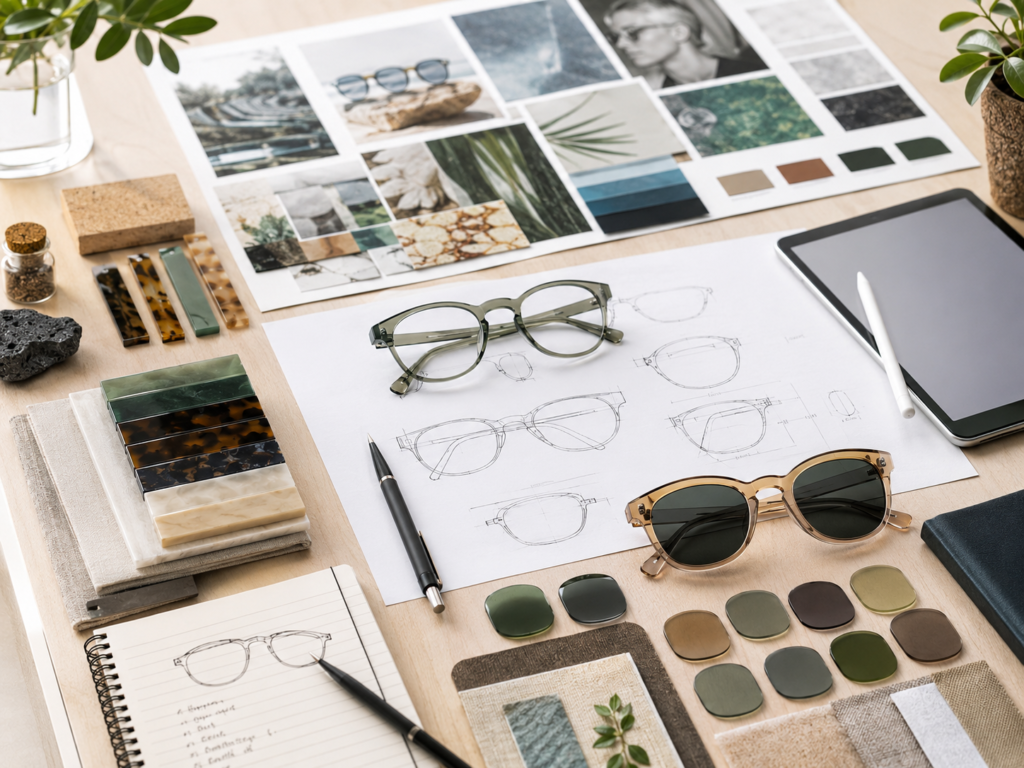
Trends can guide new eyewear brands, but the best products are built when trend direction is combined with manufacturing feasibility. A good factory partner can help translate ideas into practical frame structures, material choices, lens options, and production plans.
Cenming Eyewear supports new and growing brands with custom sunglasses, optical frames, OEM/ODM development, material selection, sample making, and small-batch production.
FAQ
1. What eyewear trends should new brands follow?
New brands should watch functional sunglasses, lightweight comfort, sustainable materials, sport-inspired shapes, refined retro styles, and smart eyewear influence.
2. Are sustainable eyewear materials important?
Yes, but sustainable materials should still meet quality, comfort, durability, and production consistency requirements.
3. Are sport-style sunglasses suitable for fashion brands?
Yes. Sport-inspired sunglasses can work for fashion brands when the frame design, lens color, and fitting are balanced for lifestyle use.
4. Will smart glasses replace traditional eyewear?
Not fully. Smart glasses are expanding the market, but traditional sunglasses and optical frames remain important for fashion, comfort, prescription use, and daily wear.
5. How can a factory help turn trends into real products?
A factory can help evaluate material choices, frame structure, lens options, sample feasibility, cost, and production planning.