
A practical guide for new eyewear brands to select the right product type, materials, styles, and production strategy before launching their first collection.
Introduction
Launching the first eyewear collection is exciting, but it can also be difficult. Many new brands want to create a strong impression immediately, so they try to develop too many styles, too many colors, and too many customization options at once. This often increases cost, slows production, and makes the brand message less clear.
A better approach is to build a focused first collection. The first collection should help the brand communicate its target customer, design language, price level, and product quality. It does not need to include every possible frame type. It needs to be clear, consistent, and manufacturable.
1. Start with a Clear Target Customer
Before choosing frame styles, a brand should define who the collection is for. A collection for fashion-conscious young consumers may need bold shapes, strong colors, and expressive details. A collection for premium optical boutiques may require refined materials, comfortable fitting, and subtle branding.
Target customer clarity affects almost every decision, including frame shape, material, lens type, color palette, logo position, packaging, price range, and order quantity. Without a clear customer, the first collection can easily become scattered.
2. Choose the Right Product Type
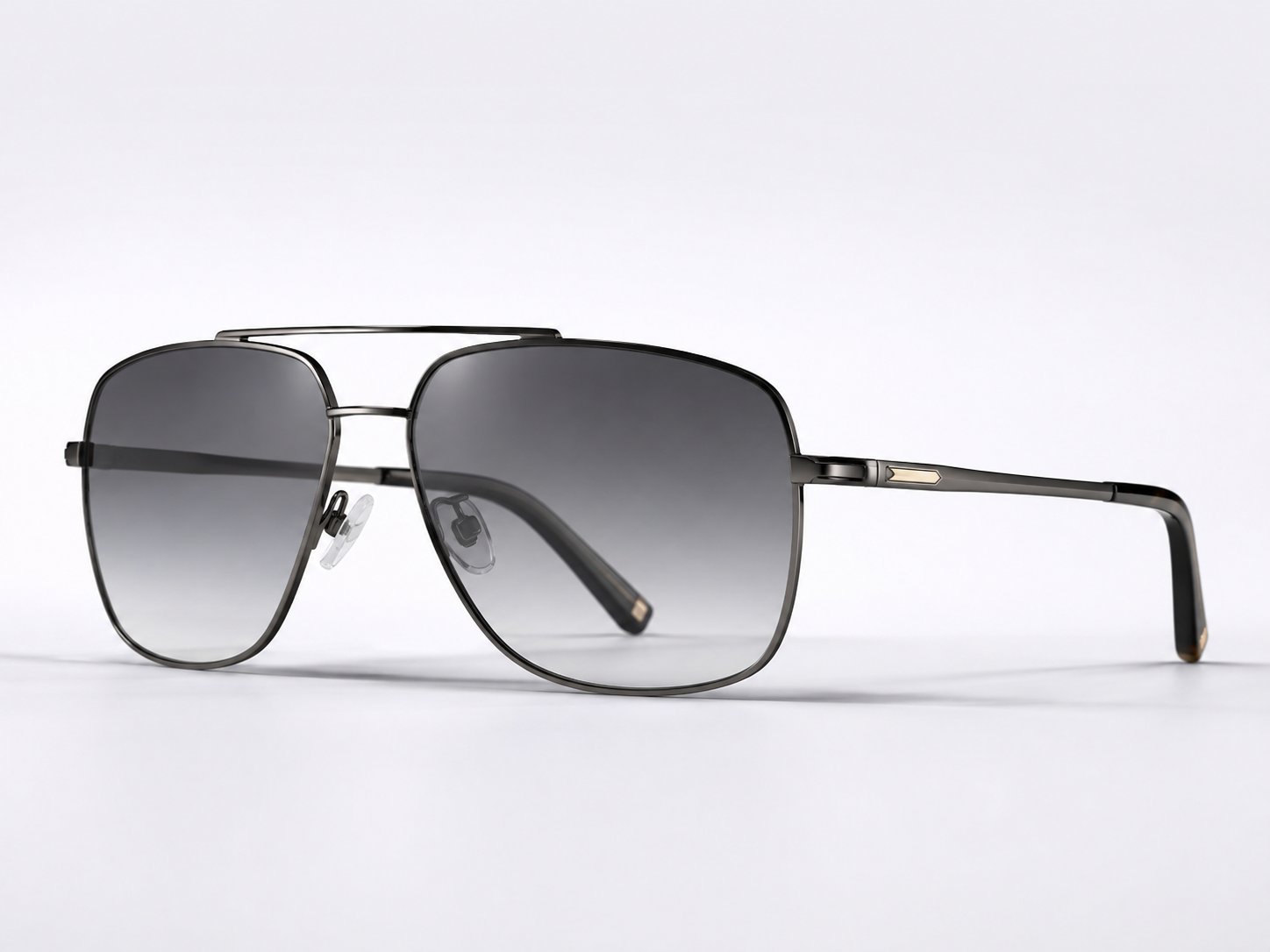
New eyewear brands often ask whether they should start with sunglasses, optical frames, or both. Sunglasses are usually easier for fashion, lifestyle, resort, and travel brands because they do not always require prescription fitting at the beginning. Optical frames can be valuable for brands that work with opticians, boutiques, or prescription customers, but they require more attention to fit, sizing, and optical use.
Some brands start with sunglasses first, then expand into optical frames after confirming their design direction. Others start with a small mixed collection if their target customers expect both categories.
3. Keep the Collection Size Focused
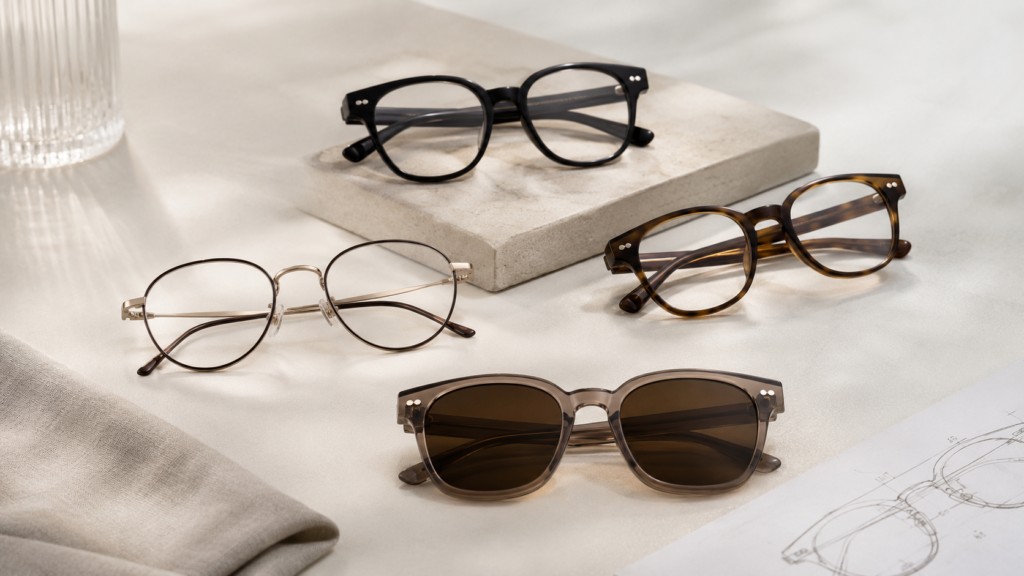
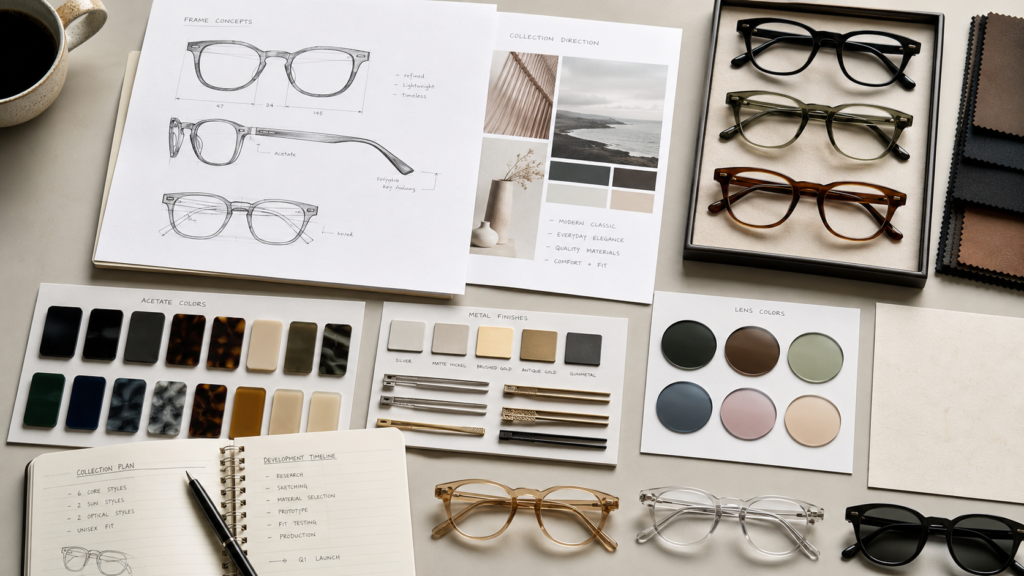
A first collection does not need to include many styles. A focused capsule collection with several strong shapes and carefully selected colors can be more effective than a large, unfocused launch. Too many styles increase sampling cost, production management difficulty, inventory pressure, and marketing complexity.
A practical starting point may include a small number of core shapes, each with a limited number of color or lens options. This gives the brand enough variety while keeping production manageable.
4. Select Materials Based on Positioning
Material selection should match brand positioning. Acetate is suitable for premium, colorful, and fashion-forward frames. Metal is suitable for refined, lightweight, minimalist, or classic designs. TR90 or other lightweight materials may work for sport, active, or comfort-focused products.
The material choice also affects price, tooling, production time, color options, and customer perception. A professional factory can help the brand compare material advantages and limitations before sampling.
5. Balance Design and Manufacturability
Creative design is important, but eyewear is a wearable product. The frame must fit the face, hold the lenses properly, open and close smoothly, and remain comfortable during daily use. Some attractive design ideas may be difficult to produce or may create comfort problems if not adjusted technically.
During early development, the factory should review frame thickness, bridge design, temple structure, hinge placement, lens curve, nose pad design, and overall balance. This helps reduce mistakes before sample production.
6. Use Small-Batch Production to Test the Market
For new brands, small-batch production is often more realistic than large-scale production. It allows the brand to test customer response to frame shapes, colors, packaging, and pricing. After the first batch, the brand can keep the best-selling styles, adjust weaker styles, and plan the next collection more confidently.
This step-by-step approach helps reduce inventory risk and gives the brand more flexibility during its early stage.
Conclusion
A strong first eyewear collection should be focused, consistent, and aligned with the brand’s target customer. Instead of trying to launch everything at once, new brands should choose a clear product direction, select suitable materials, confirm a manageable collection size, and test the market with practical production planning.
Cenming Eyewear helps new eyewear brands evaluate frame options, materials, customization details, sample development, and small-batch production before scaling to larger orders.
FAQ
How many styles should a new eyewear brand start with?
A new brand can start with a focused capsule collection. A small number of strong styles in selected colors is usually better than too many products at once.
Should a new eyewear brand start with sunglasses or optical frames?
Sunglasses are often easier for fashion and lifestyle brands to start with. Optical frames may require stronger fitting and prescription-related considerations.
Is it better to use existing molds or custom molds?
Existing molds can reduce cost and development time. Custom molds are better when the brand needs a unique frame structure or exclusive design.
How can a factory help with the first collection?
A factory can help evaluate frame structure, material options, cost, lens choices, sample feasibility, and production planning.
What should a new brand prepare before development?
A brand should prepare target customer information, design references, material preferences, lens requirements, logo details, quantity range, and budget expectations.